Do private jets go through customs?
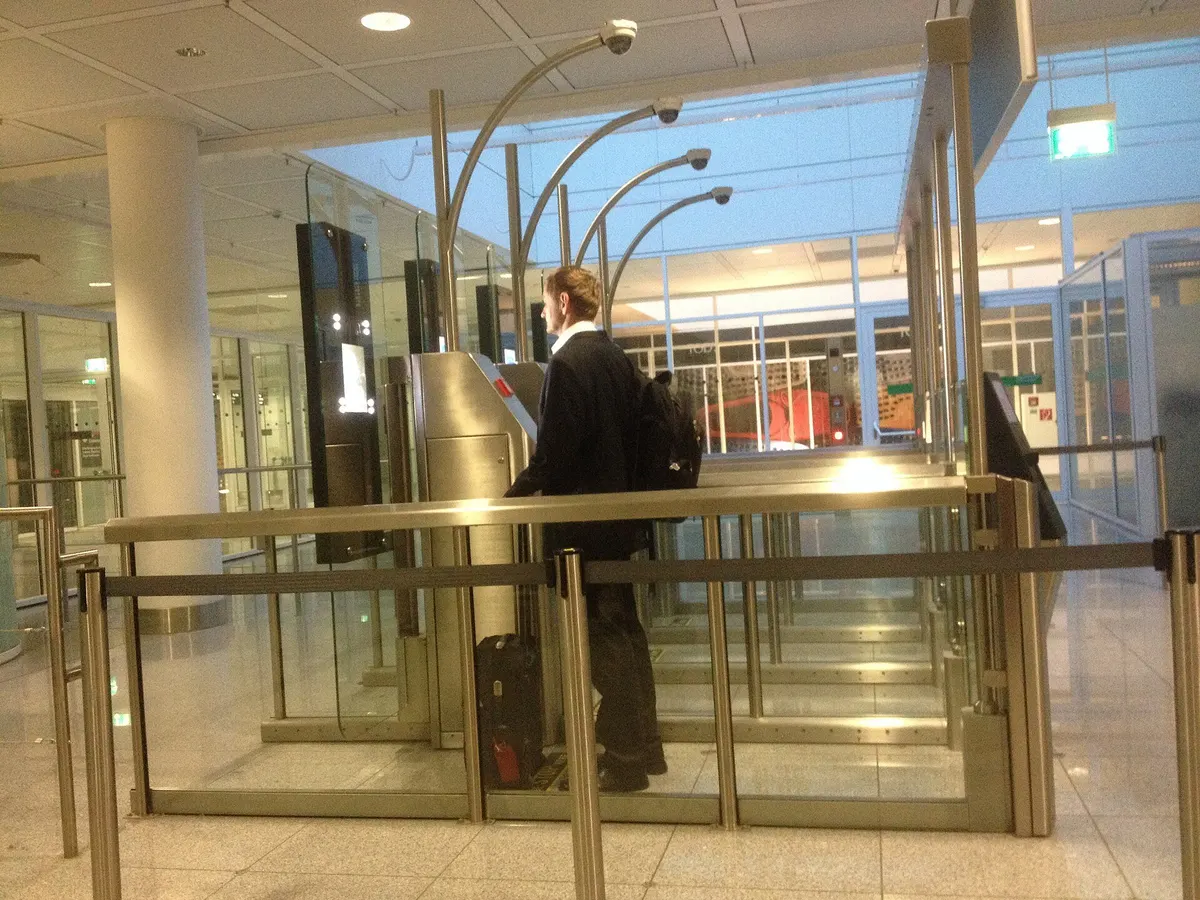
Do private jets go through customs? Yes, and through immigration too. On an international flight everyone on board is subject to the same border rules as any other traveller, and the people responsible for the aircraft usually have to send passenger details to the authorities before it departs.
The exact rules depend on the country, and on whether the flight counts as private or commercial. We've read the published rules for two countries, the UK and the United States, to show the pattern. We don't summarise India's rules here, because they change and we confirm the current requirements with the operator for each trip.
The UK: report the flight and everyone on board
The UK's June 2026 general aviation guidance puts a reporting duty on owners, agents and captains whose aircraft fly internationally into or out of the UK: they must tell Border Force and HMRC about the flight and about everyone aboard. A few specifics from that document:
- The report is made online, in advance. The window opens 48 hours before the expected departure time and closes 2 hours before it.
- Aircraft must use the right kind of airport. Airports can be designated for customs, immigration and police purposes. Any airport that is an immigration port of entry is automatically a customs airport as well.
- Some UK airports aren't police designated. At those, the pilot has to give the police at least 12 hours' notice of a departure or arrival.
- Wilful failure to seek approval or to notify when required is a criminal offence.
That guidance is for general aviation flights. Whether a particular charter falls under it, or under airline-style rules, is for the operator to confirm. Goods are covered separately: the guidance points to the UK's personal allowance rules, and to entry summary declarations for goods being carried.
The United States: a manifest for every person
US rules split along a line that matters for charter. Under federal regulations, a "private aircraft" is one on a personal or business flight that isn't carrying passengers or cargo for commercial purposes, while a "commercial aircraft" is any aircraft carrying passengers or cargo for payment or other consideration.
For private aircraft arriving in the US, the pilot is responsible for sending a notice of arrival and a manifest for each person on board, and for flights originally bound for the US this has to reach US Customs and Border Protection no later than 60 minutes before the aircraft departs from the foreign airport. The manifest asks for, among other things, each person's full name, date of birth, gender, citizenship, country of residence, travel document type, number, country of issue and expiry date, and an address in the US. It covers crew too.
Aircraft carrying passengers for payment are "commercial aircraft", which fall under a separate rule with its own timings. We haven't summarised it, because the details differ from the private-aircraft rule above, and which one applies to a given flight is something the operator confirms.
What this means for you
- Have documents ready early. Passport details for everyone on board are needed ahead of departure, not at the airport. Names have to match the travel documents.
- Expect the airport to be chosen for a reason. Some airports are designated for international arrivals and others aren't.
- Allow for formalities at the other end. The checks still happen on arrival, so don't plan a tight connection straight after landing.
How we handle it
When you send us a trip that crosses a border, we'll ask for passenger names and passport details early, and tell you what else the destination needs. How the steps fit together is in what happens after you send a charter request, and who files the paperwork connects to the question of who operates your charter flight. For an example of an international route, see private jet from Mumbai to Dubai.
Sources
All pages read on 3 October 2026.
- UK Government (Home Office, Border Force), General Aviation Guidance, published June 2026 (reporting duty, 48 hours to 2 hours timing, designated airports, 12-hour police notice, criminal offence, goods): https://assets.publishing.service.gov.uk/media/6613face213873b991031b81/General_aviation_guidance.pdf
- US Code of Federal Regulations, 19 CFR 122.22, electronic manifest requirement for individuals on board private aircraft arriving in the United States (pilot responsibility, 60-minute timing, manifest data): https://www.ecfr.gov/current/title-19/part-122/section-122.22
- US Code of Federal Regulations, 19 CFR 122.1, definitions of "private aircraft" and "commercial aircraft": https://www.ecfr.gov/current/title-19/part-122/section-122.1
- US Code of Federal Regulations, 19 CFR 122.49a, electronic manifest requirement for passengers on board commercial aircraft arriving in the United States (named only; not summarised): https://www.ecfr.gov/current/title-19/part-122/section-122.49a
Frequently asked questions
Do I need a passport for an international private flight?
Border authorities ask for travel document details for everyone on board. The US rule for private aircraft, for example, lists the document type, number, country of issue and expiry date for each person, crew included.
Who sends the passenger details to the authorities?
The people responsible for the flight. Under US rules for private aircraft the pilot is responsible for the submission, though they may authorise another party to send it, and UK guidance puts the duty on owners or agents and captains. We ask for your details early so the operator can meet the deadlines.
Can a private jet land at any airport on an international trip?
No. The UK, for example, designates airports for customs, immigration and police purposes, and international flights must use the right kind. Which airport suits your trip is something we confirm with the operator.
Keep reading
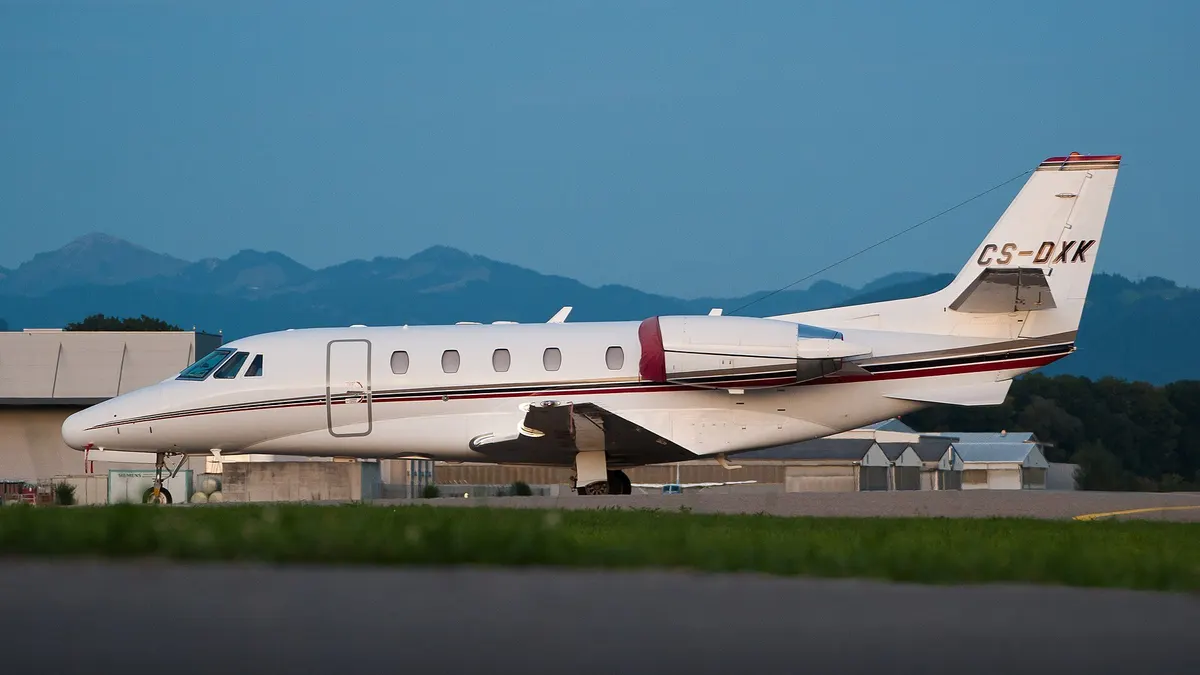
Who operates your charter flight, and why it matters
The company that holds the aircraft's operating certificate is responsible for your flight. Here is how to find out who that is and what to ask to see.
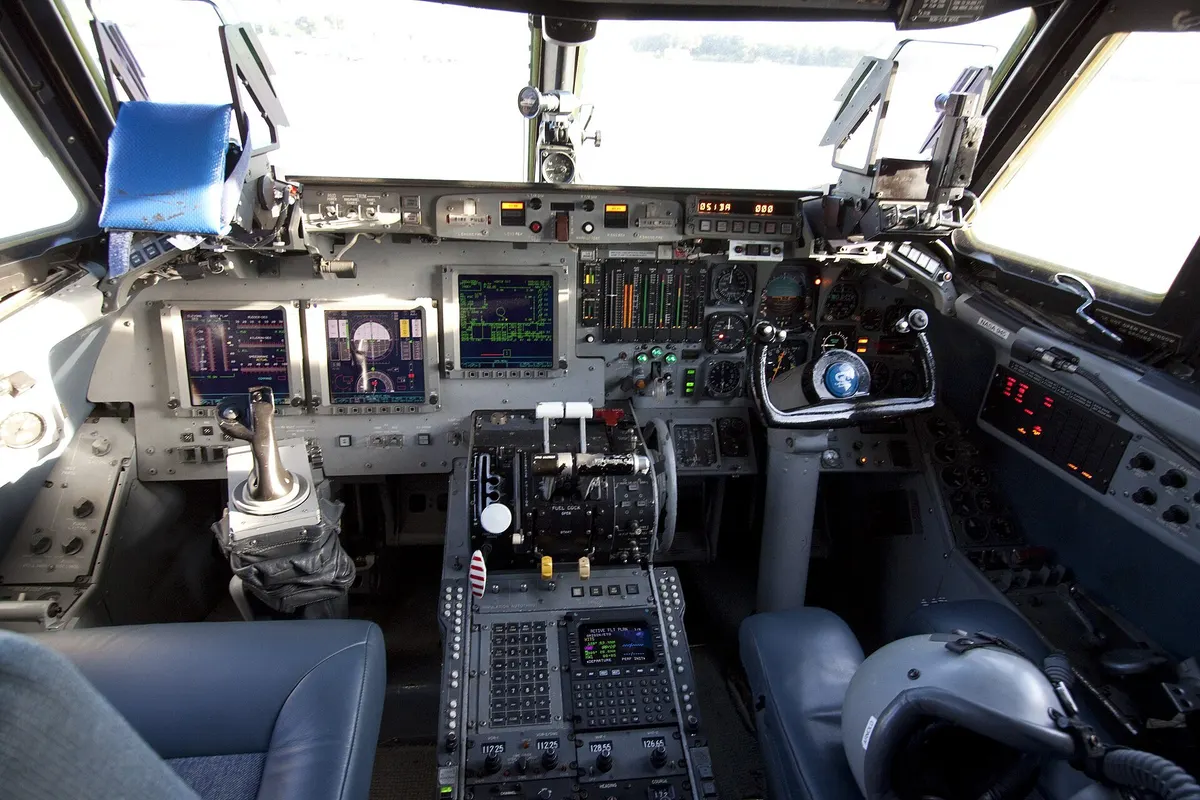
Is a private jet safe? What to check
Safety depends on the operator and the aircraft. We don't compare it with airlines, but here is what you can check, from permits to safety audits.
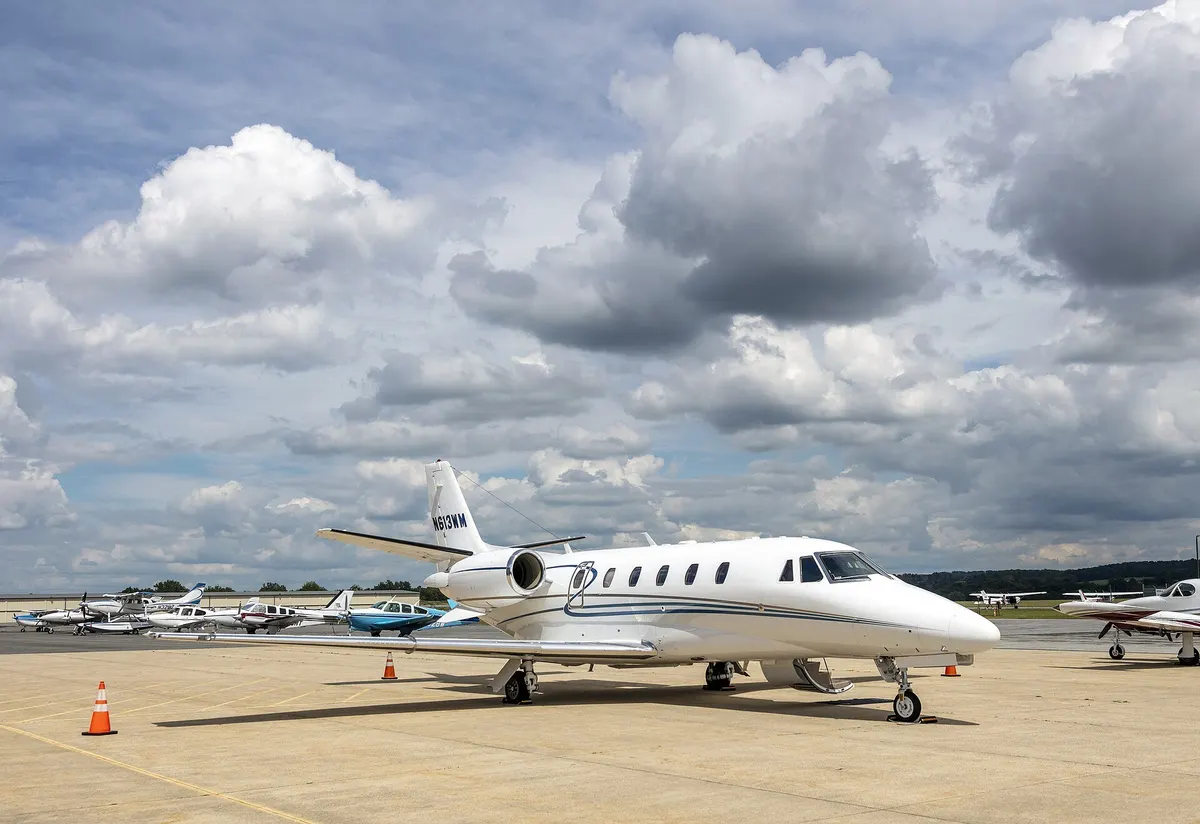
What happens after you send a charter request
A plain walk through a charter request, from the details we ask for to the day you fly, and what to check before you say yes.