Empty leg flights explained
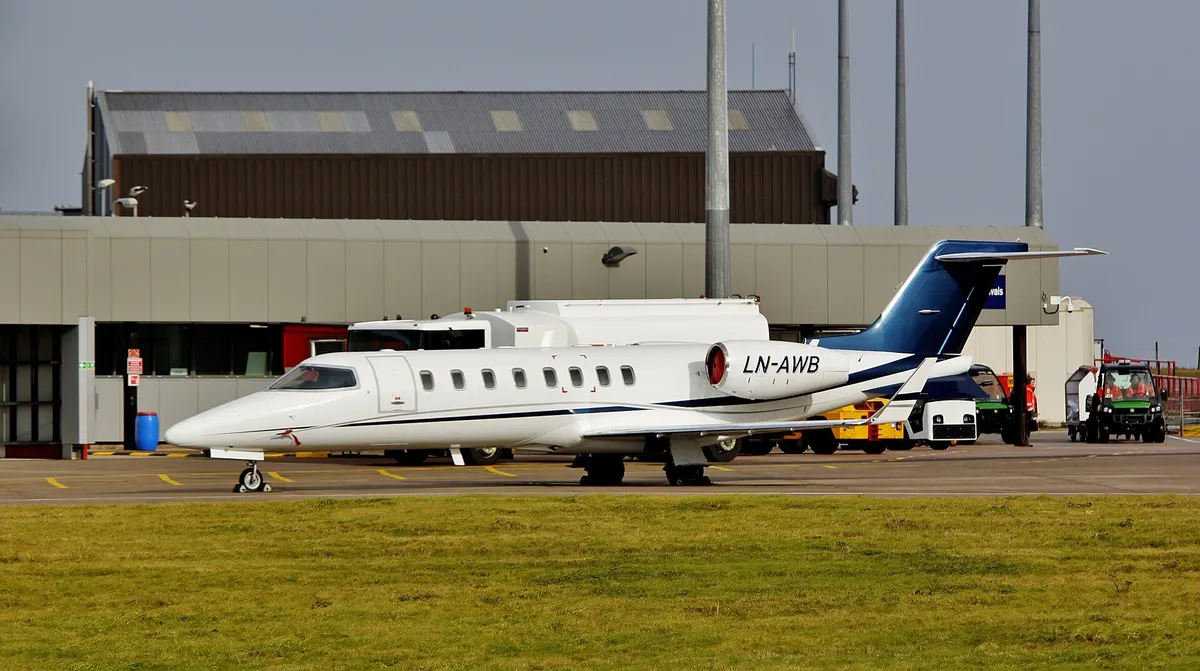
You'll see "empty leg" mentioned on social media, usually next to a surprisingly low price. The idea behind them is real. The usual picture of them is not.
Where they come from
Private aircraft don't wait on the ground for you. A jet takes one group from city A to city B. Its next booking starts in city C, or it's based back in city A. So it has to fly on, with nobody aboard. That flight is an empty leg.
The aircraft has to make that flight whether or not anyone sits in it. So an operator may offer the seats at a reduced rate compared to a normal charter, because a partly recovered cost beats none. Magellan Jets describes it as a discounted repositioning charter, and it stresses that the key word is "reduced", not "cheap".
What stays the same
The aircraft, the crew, the fuel, the insurance and the maintenance behind the flight are just what they would be on any other charter. The discount doesn't reflect cheaper operation. It reflects capacity that would have gone unused.
What's different
Empty legs behave differently from a normal charter in a few ways.
You can't pick them. They exist only where an aircraft already needs to go. You can't ask for one to a particular place on a particular day and expect it to turn up.
Dates and airports are fixed. The flight is tied to the aircraft's next commitment, so the departure time, the airports and sometimes the aircraft type aren't up for discussion.
They can disappear. If the main trip that created the empty leg changes or is cancelled, the empty leg can go with it, sometimes at short notice.
The terms may be stricter. Magellan says empty legs are commonly non-refundable, need payment straight away and allow little customisation. Each operator's terms differ, so read yours.
Who they suit
Empty legs suit people with a flexible diary and a flexible destination: a group that can leave any day in a three-day window, or travellers who'd happily fly to either of two nearby cities. They suit people who can take the cancellation risk and have a plan B.
They don't suit anyone with a fixed meeting, a wedding to reach, or a tight connection. In that case a normal charter, priced for your trip, is the safer route. We explain how that price is built in how private jet charter pricing works.
If you spot one
If you see an empty leg that looks right, check it as you would any charter:
- Who is the operator, and can you see its certificate? (See who operates your charter flight.)
- What exactly is the price, and what's included?
- What happens if the flight is cancelled by the operator?
- What happens if you need to cancel?
If something looks too cheap, ask why. The U.S. FAA puts it bluntly: a bargain that seems unlikely usually is.
You can also ask us about a route you fly often. We can look at whether a one-way charter or a return makes more sense for your dates.
Sources
All pages read on 3 October 2026.
- Magellan Jets, "What Is an Empty Leg Flight?": https://magellanjets.com/what-is-an-empty-leg-flight-read-before-booking/
- U.S. Federal Aviation Administration, "Thinking of Chartering an Aircraft?" (last updated 8 January 2026): https://www.faa.gov/about/initiatives/safecharteroperations/thinking-chartering-aircraft
Frequently asked questions
What is an empty leg flight?
It's a flight an aircraft has to make without passengers, usually to reach its next trip or return to base. The operator may offer that sector at a reduced price.
Can I ask for an empty leg to a city I choose?
Not reliably. Empty legs exist only where an aircraft already needs to go, on the dates it needs to go, so you usually have to be flexible.
Are empty leg flights cheaper to operate?
No. The aircraft, crew, fuel and insurance are the same as on any other flight. Any discount reflects capacity that would otherwise go unused.
Keep reading

How private jet charter pricing works
What goes into a private jet charter quote, why two similar trips cost different amounts, and the questions that make a quote easy to compare.
Who operates your charter flight, and why it matters
The company that holds the aircraft's operating certificate is responsible for your flight. Here is how to find out who that is and what to ask to see.

What happens after you send a charter request
A plain walk through a charter request, from the details we ask for to the day you fly, and what to check before you say yes.